For over a century May 1st has been International Workers’ Day – a day of working-class solidarity and a celebration of internationalism.
Today, when the fight of organized labor is again combined with the defense of immigrants and other opposition to Trump’s attacks in May Day actions, we look back on that history.
May Day began in the US in 1886 – with workers’ fighting for the eight hour day. On May 1st, workers across the US responded to the call for strikes.
Three days later a workers’ rally in Chicago was broken up by police. Anarchists were framed (and several later executed) after a bomb was thrown.
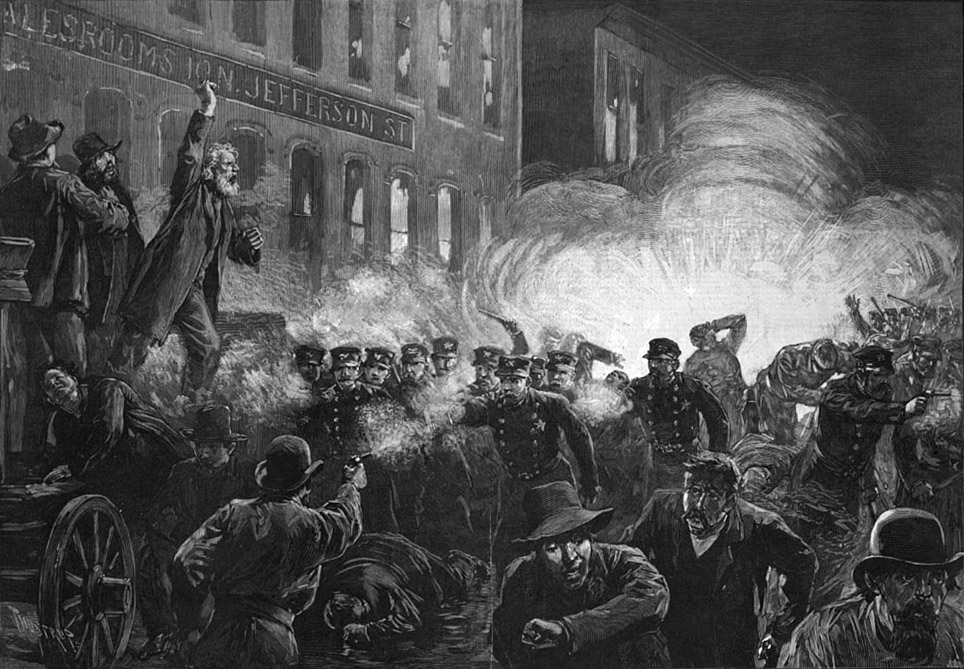
However, by the second week in May some 340,000 workers were on strike. Many won shorter hours, though the revolt was put down by a wave of repression.
In 1889 the Second International, an organization of workers across the world, took up the call for an eight-hour day. It called on all workers to stop work on May 1st.
The following year saw workers mark International Workers Day across the world for the first time.
In Germany hundreds of thousands stopped work and demonstrated. In Italy there were mass strikes and marches. London too saw its first May Day demonstration that year.
Karl Marx’s daughter Eleanor played a key role in organizing it. Marx, who had ended the Communist Manifesto with the call, “workers of the world unite” had died seven years earlier. But his lifelong collaborator and co-author of the manifesto Frederick Engels addressed the 300,000 workers at a rally in Hyde Park that first May Day.
“The demonstration was nothing short of overwhelming, and even the entire bourgeois press had to admit it,” he said.
“I can assure you I looked a couple of inches taller when I got down from that old lumbering wagon that served as a platform after having heard again, for the first time since 40 years, the unmistakable voice of the English working class.”
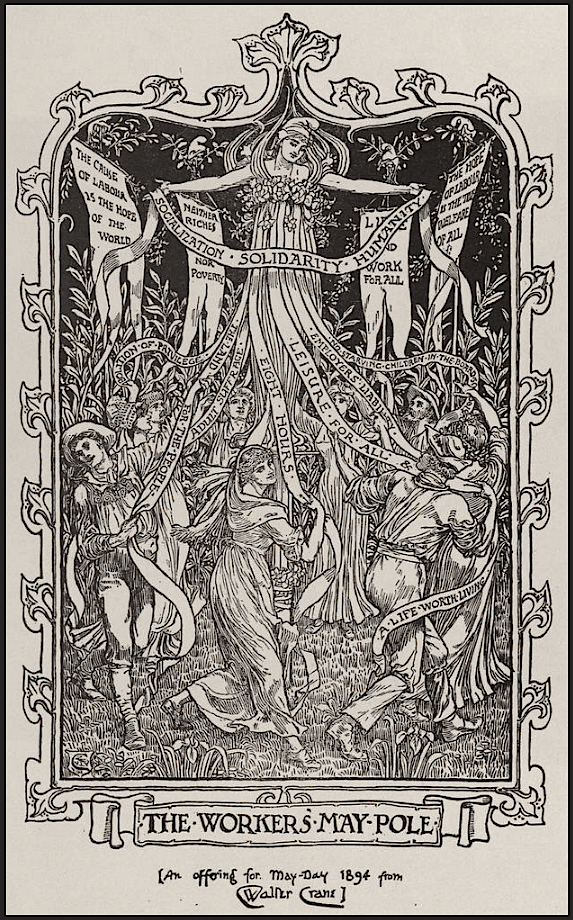
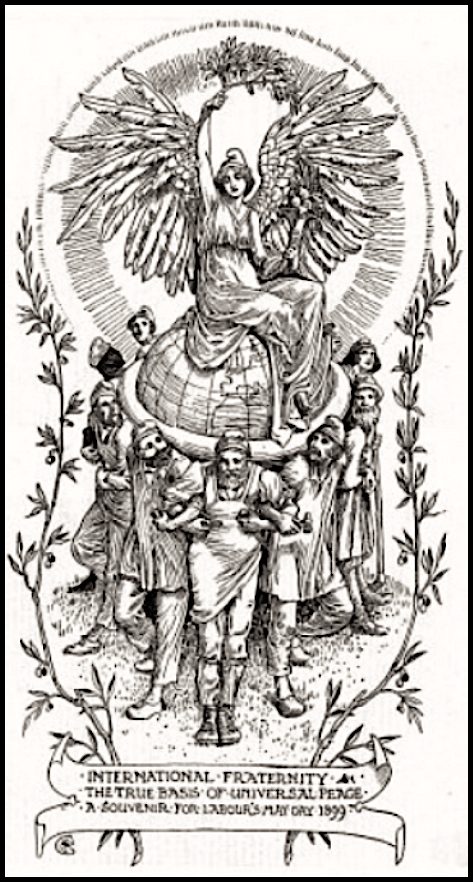
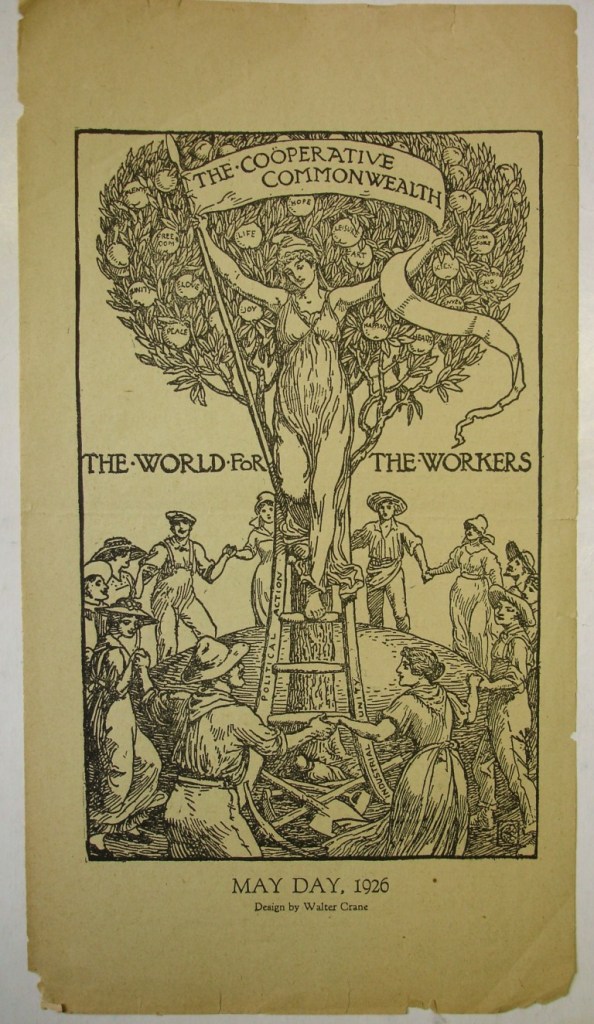
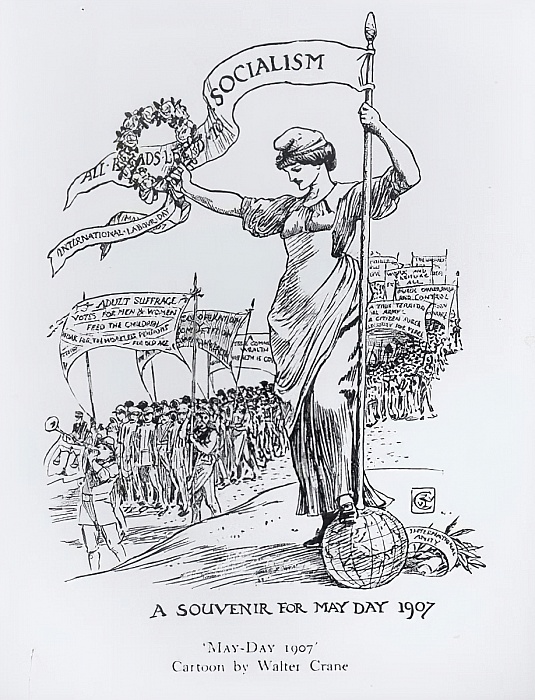
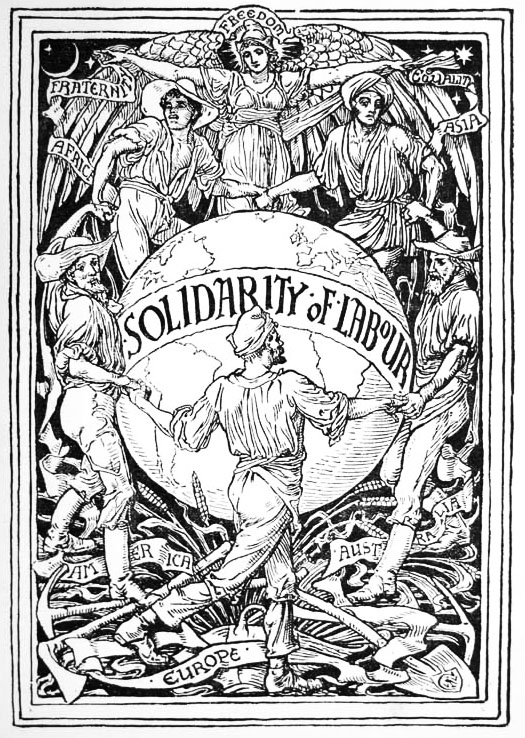
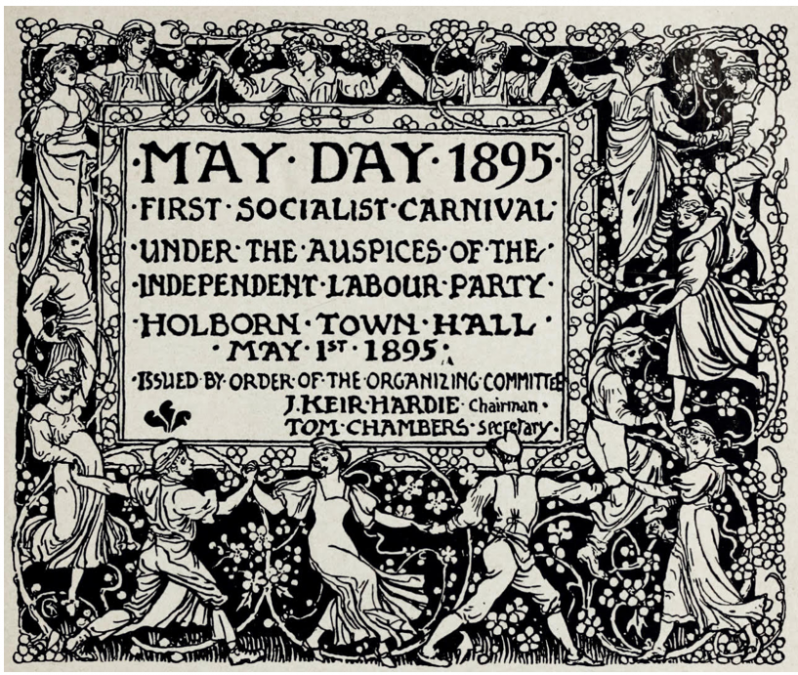
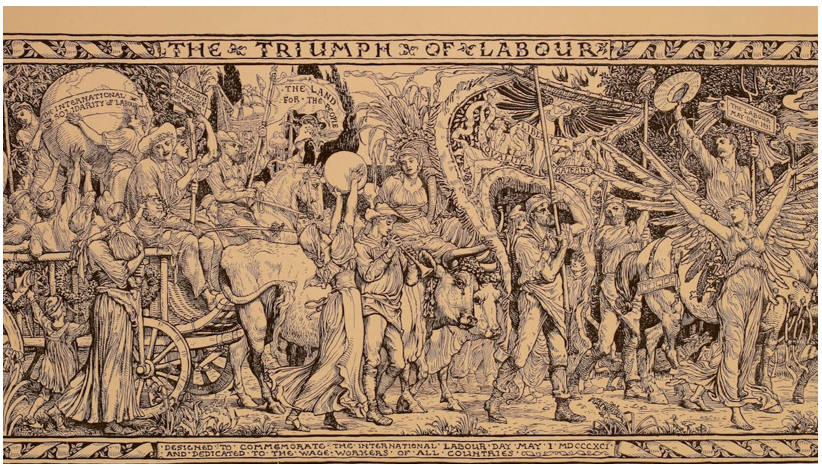
The scale of the protests in 1890 meant that most European governments were forced to declare May Day an official holiday. Since then, May Day has been a rallying point.
In the US, Labor Day was established by the government in 1894 as a bureaucratic alternative to the radicalism of May Day. But communist, anarchist and socialist workers still rallied in the tens of thousands in the US, although usually separately.
In 1916 May Day was the focus for those who opposed the First World War. In Germany, when the socialist Karl Liebknecht was arrested for his speech, “Down with the government! Down with the war!” 50,000 metal workers struck for his release.
Following the arrest of the Scottish socialist leader John Maclean on 15 April 1918 and a charge of sedition against him, the Glasgow May Day Committee called a one-day strike for peace for May Day 1919. Over 100,000 marched through Glasgow and thousands lined the streets. Maclean’s daughter Nan Milton described “The common struggle united all in bonds of real solidarity.”
Even faced with the most desperate circumstances workers have marked May Day.
During the Second World War, socialists in the Warsaw Ghetto – where the Nazis had herded over 300,000 Jews before transporting them to death camps – were determined to mark May Day.
Marek Edelman was one of those involved. He later wrote, “The entire world was celebrating May Day, and everywhere forceful, meaningful words were being spoken.
“But never yet had the Internationale been sung in conditions so different, so tragic, in a place where an entire nation had been and was still perishing.”
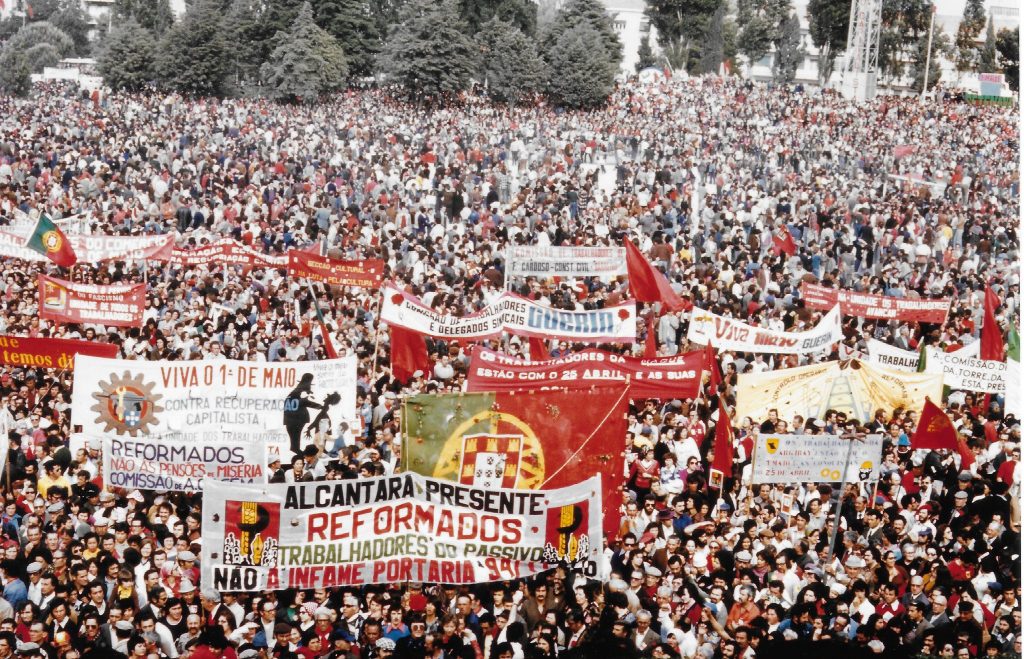
May Day protests have occurred during massive upsurges of workers militancy. In Portugal on 25 April 1974 the 48 year old dictatorship was overthrown. A week later the capital, Lisbon, saw demonstrations of 100,000 people.
While May Day 1918 in Russia was a genuine celebration of the recent revolution, and a call for world revolution, the date was turned to a travesty of its history under Stalin. The annual parades centered on displays of heavy weaponry, and celebrated a strong oppressive state. Yet even in the so-called Communist countries, the day could be used for subversive, if off beat, purposes. After being expelled from Cuba, American Beat poet Allen Ginsberg arrived in Prague 1965 where he again noted its “bureaucrats above and its secret trials.” But in a precursor to the Prague Spring, the state allowed a small opening for artists and students to hold a festive parade as an alternative to the usual state-sanctioned state capitalist May Day common in Eastern Europe.
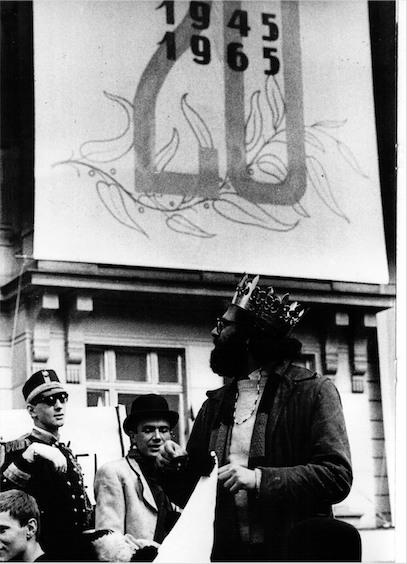
A delegation of students elected Ginsberg Kral Majalesu, “King of May Day.” Authorities were shocked to see him speak to a crowd of 150,000, where he witnessed “political courage to protest,” and a “serious manifestation.” They soon sent him out of the country as an “immoral menace.”
In the US, participation in the day dwindled with a decline in the organized left, and unions turning to the Labor Day parade. But periodically, waves of mass movements have seized on May Day.
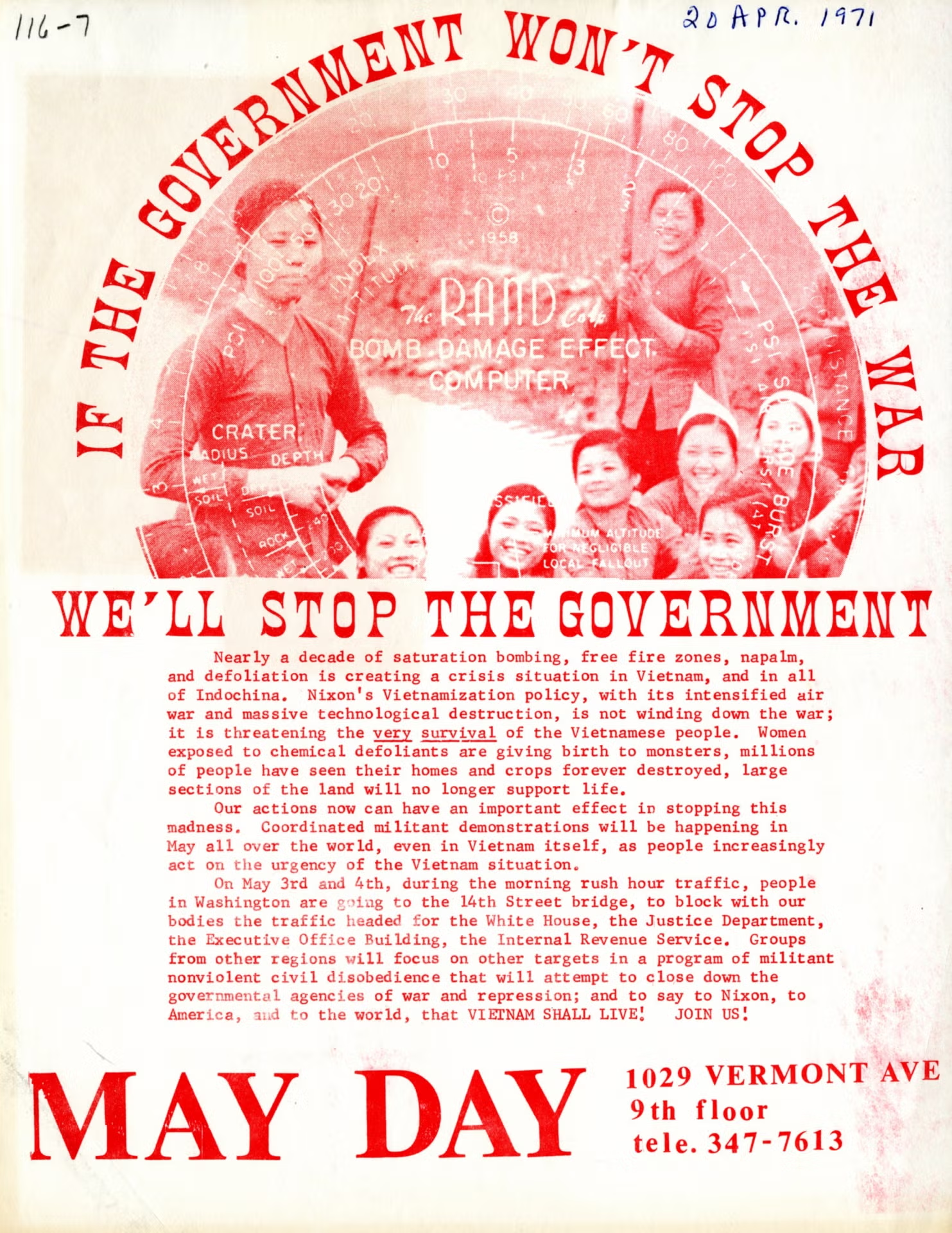
In 1971, at the height of the anti-Vietnam War movement, the “May Day Tribe,” including members of the Chicago Seven, organized tens of thousands to go beyond peaceful mobilization in days of protests and civil disobedience in Washington DC against the war, starting on May 1. They were attacked by police and military with tear gas and over 12,000 arrested, perhaps the largest mass arrest in US history – although almost everyone was later let go. It helped convince some in the government that continuing opposition to the war, including in serving troops, could make the country ungovernable.
May Day was again reclaimed by immigrant workers in a mass unofficial strike for immigrant rights in 2006, which defeated anti-immigrant bill HR 4437. Meatpacking plants shut down rather than discipline absent workers, and workers at ports of Los Angeles and Long Beach refused to move cargo. The organizing leading to mobilizing hundreds of thousands of mostly Spanish speaking workers is well described by Victor Fernandez at Marx21. It is time we all reclaim that spirit.
Again, in 2012, on the May Day after Occupy Wall Street was evicted from Zuccotti Park in New York City, 50,000–100,000 marchers went down Broadway, fueled by major trade unions. The prestige of Occupy helped bring together sections of the left that normally marched separately, and more who never marched on May Day before. Unions gathered in Union Square, where a concert included Tom Morello. Then immigrant, environmental, socialist and anarchist groups mingled with Occupy and major union contingents.
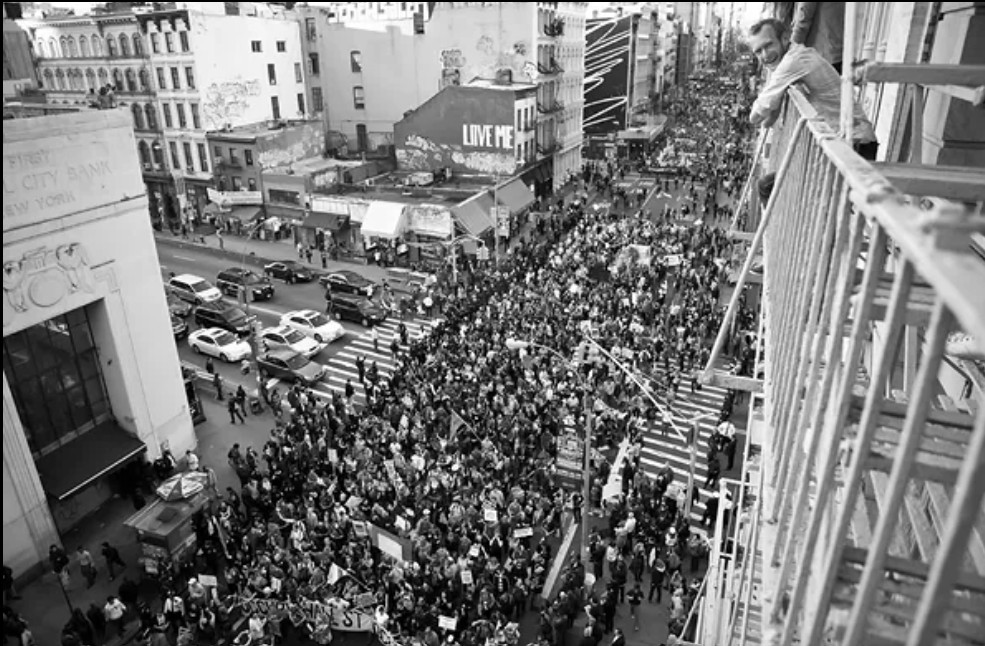
NYC, May 1 2012
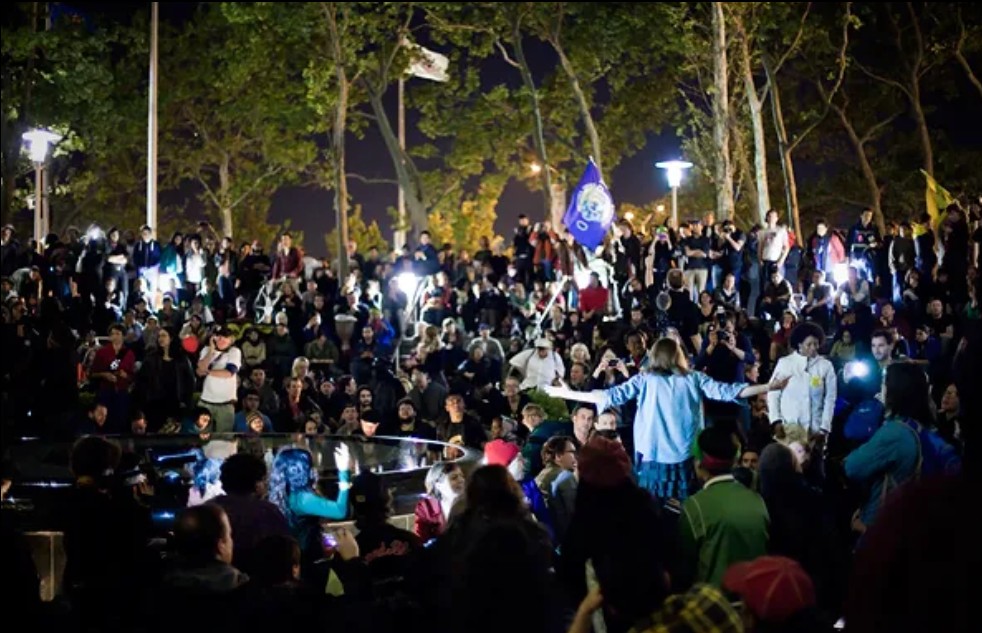
The march ended with a large General Assembly at the southern tip of Manhattan, which continued into the dark. But a separate union stage on lower Broadway helped in keeping union members from mingling with radicals in democratic conversation, and a reliance on spontaneity by Occupy meant there was no concerted effort to pull them down or get details for follow up. It was a beautiful moment that showed what could be possible, but there was no ongoing structure for this conjuncture to continue.
Some union leaders are now talking of a US general strike for May Day 2028, first floated by UAW head Shawn Fein’s suggestion of lining up contract reparations for May 1. It is a great step forward that a call for a “general strike” in the US is more than an aspirational slogan. It will take rank-and-file solidarity and organization to turn that rhetoric into meaningful concerted action. But preparing for 2028 cannot mean putting off action today.
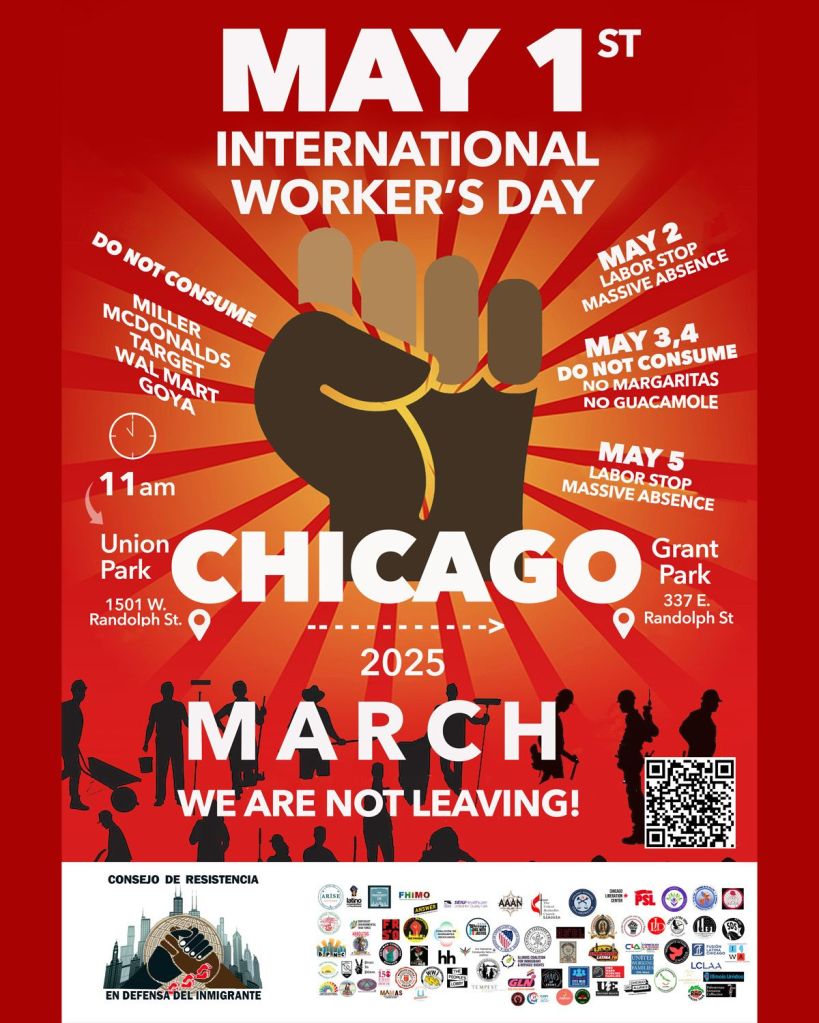
The Chicago Teachers Union, learning from its previous strikes and community collaboration, has reached out to local immigrant groups, other unions, community organizations and local socialists to plan a May Day rally and week of actions including walkouts from work, for this May Day. This is how you build momentum and connections for 2028 while also giving more power to the fight against Trump’s agenda today.
The CTU is also involved in promoting actions nationally. Find a local protest at May Day Strong and attend. May Day has always been a day of internationalism. Labor for Palestine in the US is also forming contingents at local May Day events from New York to Oakland, and promoting the “Palestinian Workers’ May Day call on US Labor to Act Now Against Israeli Genocide.”
Of course, class struggle does not take place one day a year. We use May Days as inspiration to fight on, and to win a better world.
 Marx21 US